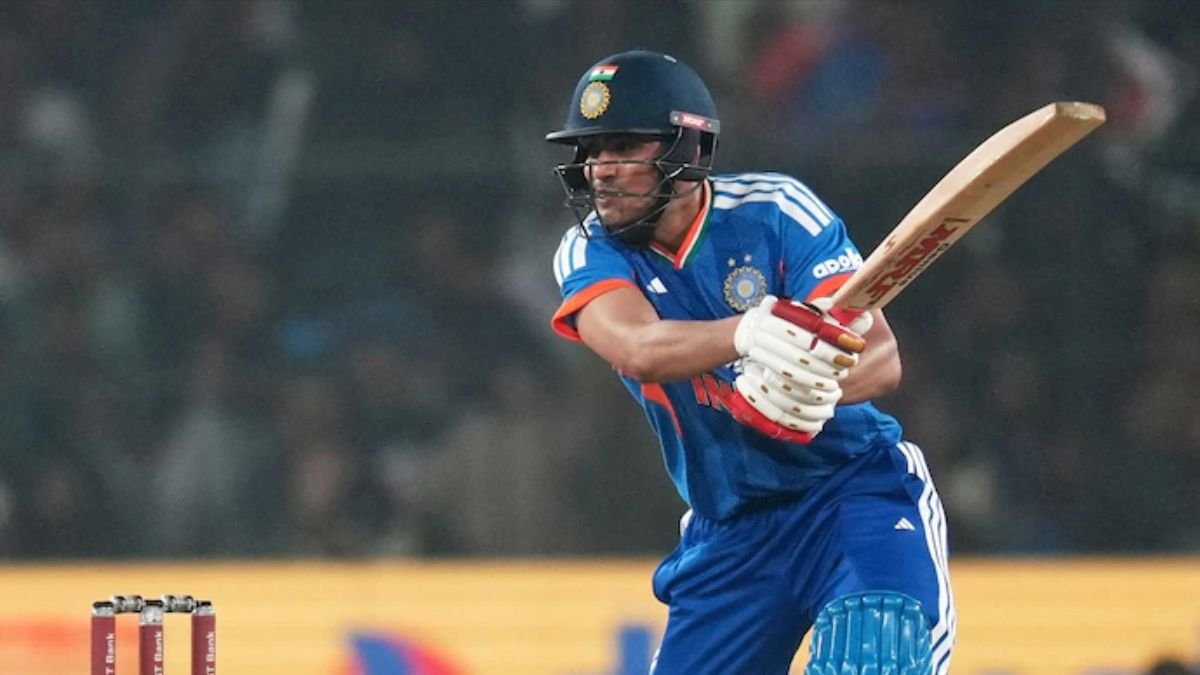
Shubman Gill’s omission from India’s T20 World Cup squad underlines a broader transformation in how the national team is approaching the shortest format. Once valued for technical excellence and innings construction, top-order batters are now being assessed through the lens of adaptability, strike-rate ceilings, and tactical fit.
The selection committee’s decision reflects lessons learned from past ICC tournaments, where India often entered knockout games with balanced-looking squads that lacked game-breaking intent. In response, selectors have doubled down on specialization — choosing players for narrowly defined roles rather than all-format reputations.
Gill’s T20 game is still a work in progress. While he has expanded his range and improved his scoring zones, he remains more effective when building an innings rather than launching from the outset. In contrast, the current T20 ecosystem favors batters who can dominate specific phases, particularly against the new ball when fielding restrictions apply.
Team balance has also dictated hard choices. India’s middle order already includes players capable of anchoring and accelerating as needed. That makes redundancy a luxury the squad cannot afford. By prioritizing bowlers who can bat, batters who can bowl, and fielders who save crucial runs, selectors have reduced the space for single-skill players.
Additionally, modern T20 planning revolves heavily around matchups. Squads are built not just for playing XIs, but for rotation based on opposition strengths. Players who can attack specific bowling types or provide flexibility across positions gain an edge. Gill, despite his elegance, does not yet offer that level of tactical versatility.
The decision also sends a message about accountability. Past performances in domestic leagues or longer formats no longer guarantee T20 World Cup selection. Instead, recent impact, intent metrics, and situational awareness have become central evaluation tools.
For Gill, this moment represents a pause rather than a setback. Many of India’s greatest white-ball players have refined their T20 games after similar omissions. With time on his side, he has the opportunity to evolve into a more assertive opener or a dynamic No.3 capable of shifting gears instantly.
Ultimately, India’s selection reflects a team preparing for modern T20 realities — where adaptability outweighs aesthetics, and where winning the Powerplay can define the tournament.